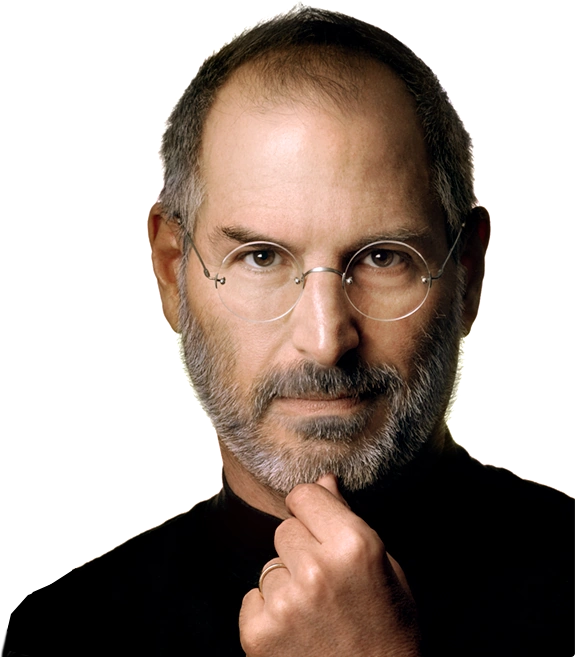
Beyond Technology: How Steve Jobs Made Dreams Tangible
Perfection was his obsession and imagination was his weapon. This is the story of Steve Jobs, a visionary who fused art and technology to create products that didn’t just work, but changed the world.
The room would be silent.
A product sat in his hands, unfinished, imperfect, not yet worthy. Around him were some of the brightest engineers in the world, yet all eyes were on one man, waiting.
“This isn’t it,” he would say.
And just like that, months of work would be torn down, not out of cruelty, but out of conviction. Because for Steve Jobs, good was never enough. It had to be insanely great.
That was the difference.
Jobs did not think like a typical engineer. He thought like an artist trapped in the world of technology. While others focused on function, he focused on experience. While others built products, he built feelings.
This mindset did not come from a perfect path.
His life, as captured in Steve Jobs by Walter Isaacson, was filled with contradictions. He was adopted, searching for identity from a young age. He dropped out of college, yet continued learning in unconventional ways, attending classes that sparked his sense of design and simplicity. It was in these seemingly random choices that his vision began to take shape.
Jobs believed that creativity comes from connecting things others don’t see.
Calligraphy influenced the Macintosh.
Art influenced technology.
Simplicity became a philosophy.
When he co-founded Apple Inc., he wasn’t just building computers. He was trying to make them personal, intuitive, and elegant. He wanted machines that people could love, not just use.
But brilliance often comes with friction.
Jobs was intense, demanding, and sometimes difficult. He pushed people to their limits, rejected ideas without hesitation, and expected excellence at all times. Many struggled under his leadership, yet many also produced the best work of their lives because of it.
Then came the moment that would redefine him.
He was forced out of Apple, the company he built.
For most, that would have been the end of the story. For Jobs, it became the turning point. He went on to create NeXT and acquire Pixar, where storytelling and technology merged to create something entirely new.
And when he returned to Apple, he came back sharper. Clearer. More focused.
What followed was not just a comeback, it was a transformation.
The iMac reimagined personal computers.
The iPod changed how we listened to music.
The iPhone reshaped communication.
The iPad redefined how we interact with technology.
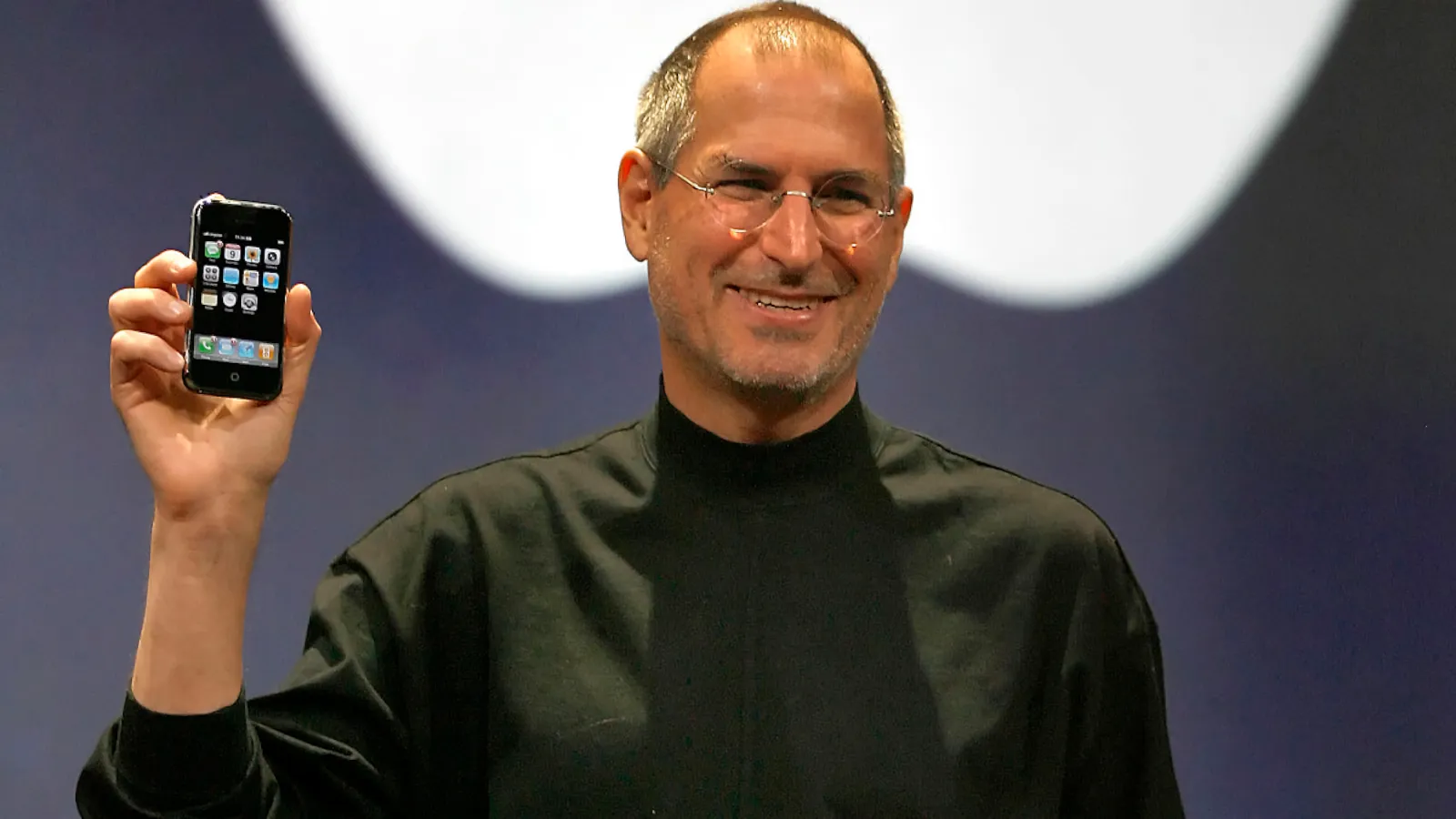
These were not just products. They were shifts.
Jobs had a rare ability, he could see what people needed before they knew it themselves. He trusted intuition over data, vision over consensus, and simplicity over complexity.
But perhaps his greatest strength was this:
He cared deeply.
About design.
About detail.
About the entire experience.
He once said that the people who are crazy enough to think they can change the world are the ones who do. And he lived that belief, relentlessly, unapologetically.
Steve Jobs was not just an innovator.
He was a force of imagination, discipline, and vision, a man who refused to accept the world as it was and instead built the world as he saw it.
And in doing so, he didn’t just create products.
He changed how we live.